 |
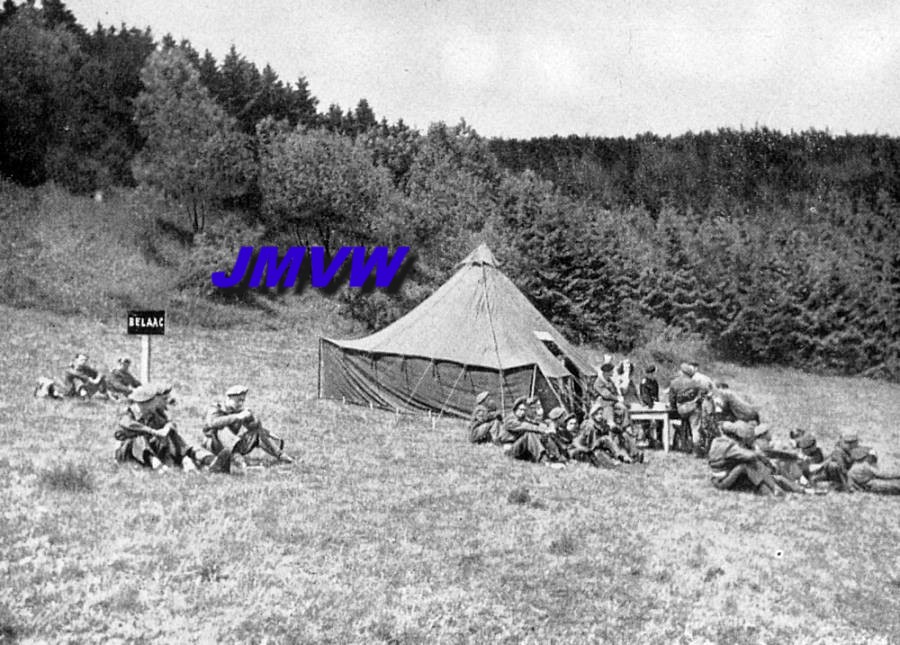
| 1945, Occupied Germany. BELAAC mobile canteen. |
THE BELGIAN AND ALLIED ARMY CLUBS
BELAAC
SHORT HISTORY
At the end of
1944, Colonel PIRON, commander of the 1st Belgian infantry
Brigade,
was looking for some young girls who would be able of operating
mobile field canteens.
A dozen of young girls volunteered for the job, and they joined up as civilian volunteers.
The girls even followed the brigade during its second campaign in the Netherlands in 1945.
|
| 1945, Occupied Germany. BELAAC mobile canteen. |
Due to the success of this initiative, BELAAC was created on July 19 1945.
Among the
founders were a representative of the Minister of Defence, the
chairman of the Belgian Red Cross,
the countess DE LIMBURG-STIRUM and the countess VAN DER BURCH.
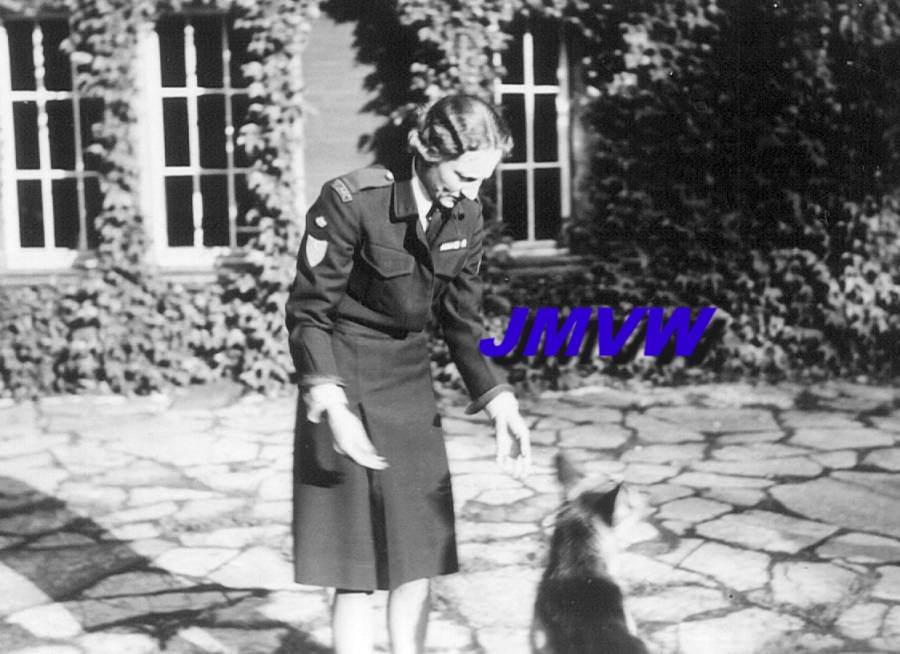 |
| Countess DE LIMBURG-STIRUM, one of the founders of BELAAC. |
On October 23
1945 a ministerial circular officially informed the unit
commanders of the existence
of the BELAAC
and of the possibility of having a club at their disposal.
56 Clubs were opened from which 29 in Occupied Germany.
The BELAAC was disbanded on July 31 1955.
FORMATION BADGE AND INSIGNIA
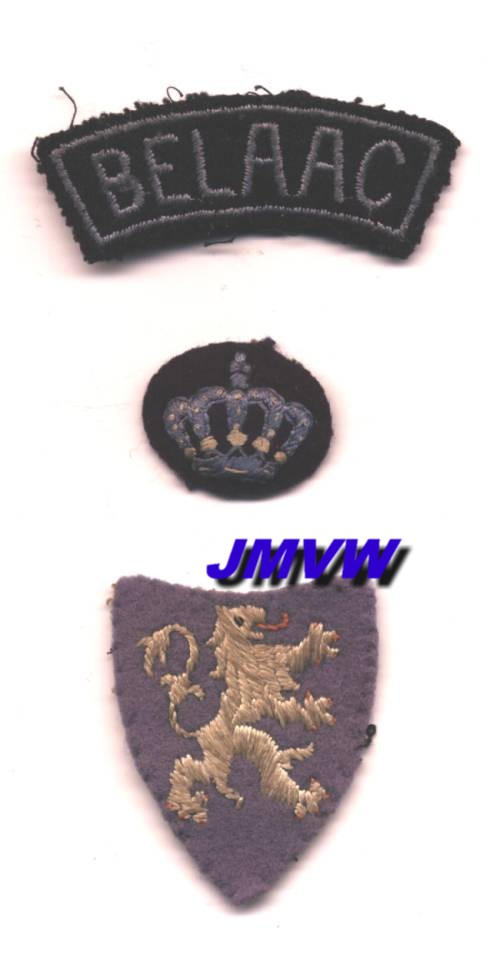
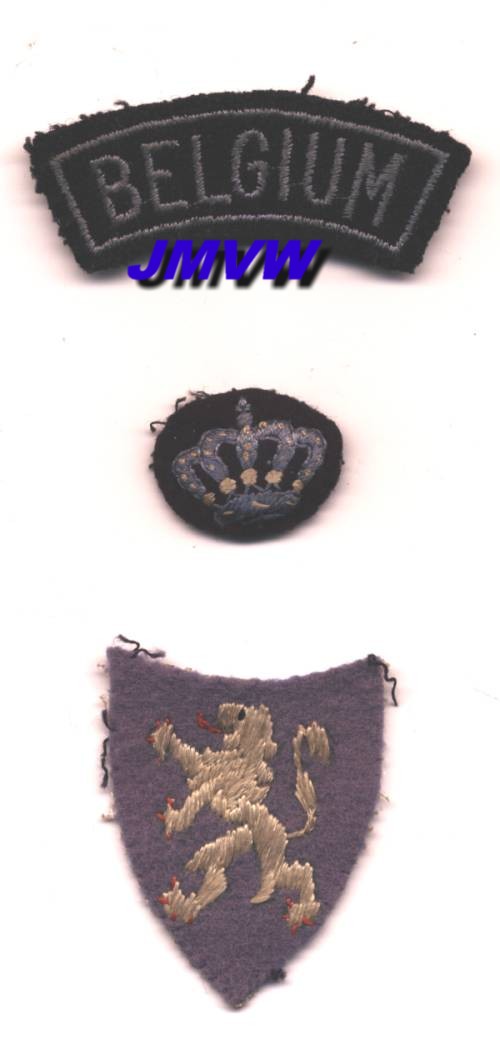
FORMATION BADGE
A white
Belgian lion on a sky blue shield, with a sky blue Belgian crown
on a black background above the shield.
 |
 |
|
| Formation Badge and Arm Title right arm. | Formation Badge and Arm Title left arm. |
ARM TITLES
On the left sleeve a black curved arm title with "BELGIUM" in blue capital letters.
On the right sleeve a black curved arm title with "BELAAC" in blue capital letters.
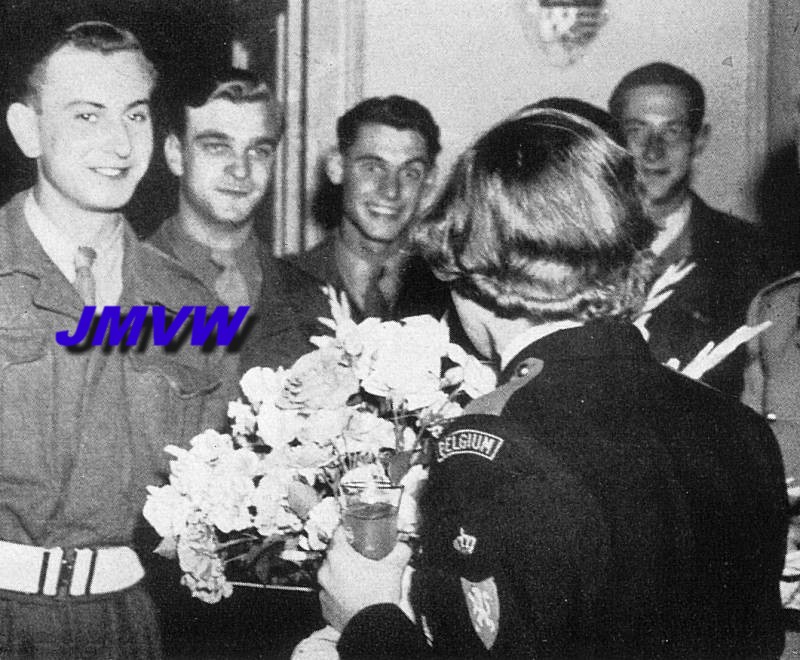 |
| BELAAC girl with the insignia on her left arm. |
BERET BADGE
The Belgian lion was worn on a red background on a black beret.
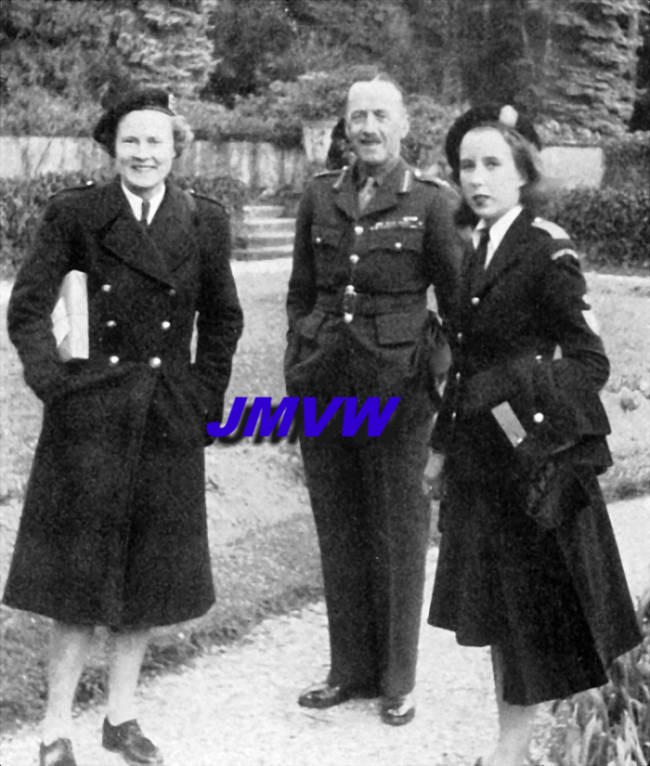 |
| Belgian BELAAC ladies with General Sir G. I. THOMAS. |
As far as known no rank insignia were worn.

